Detailed description: Detailed description:
ATTENTION!
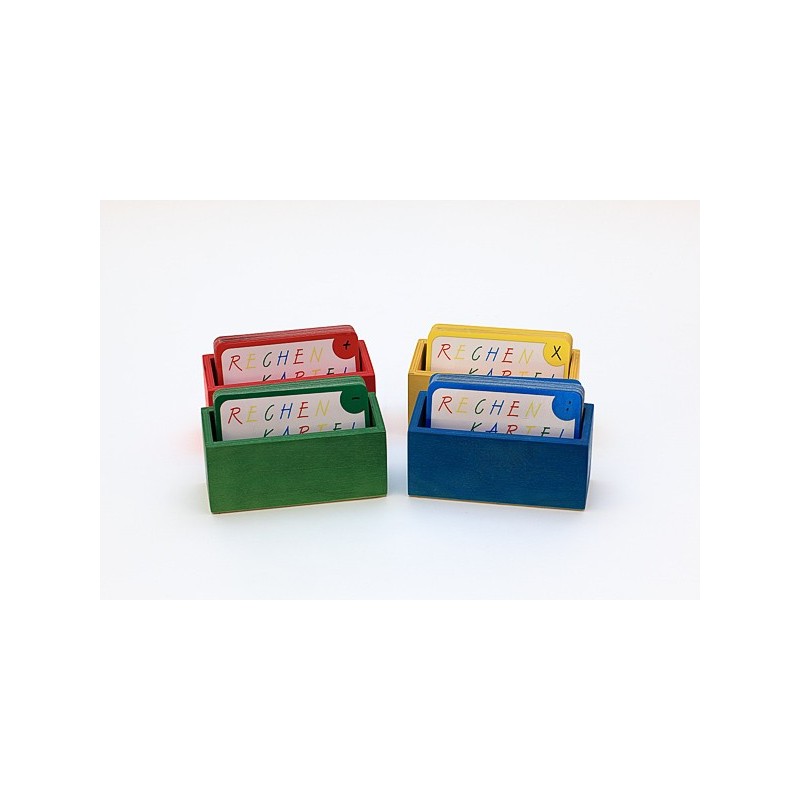
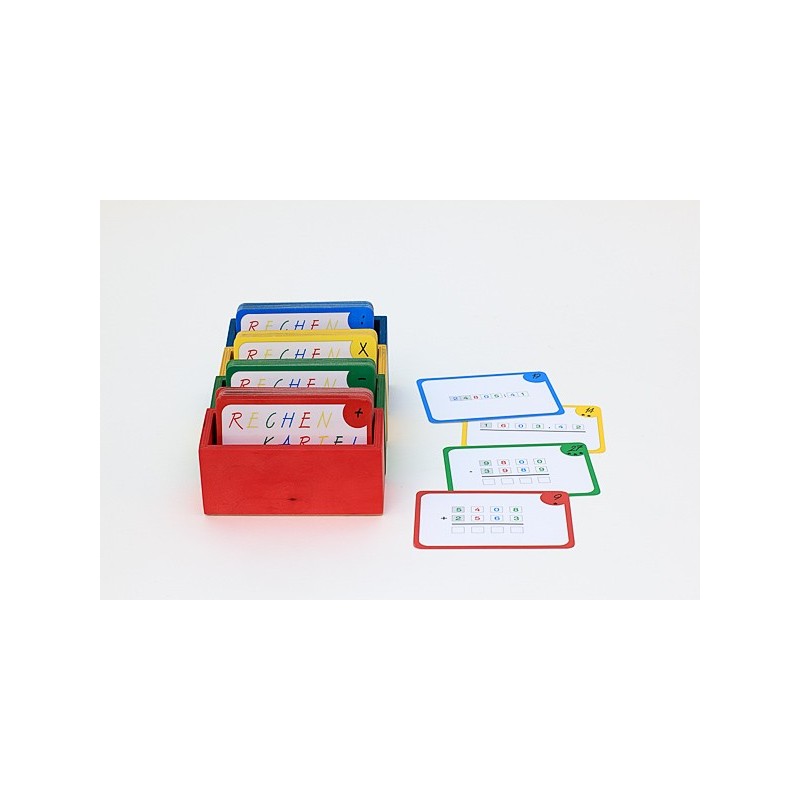
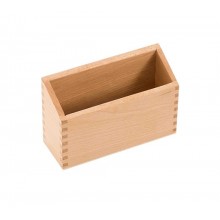
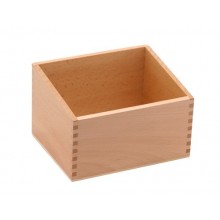
On delivery our items are not laminated and not cut. The organizational aids such as boxes, card index boxes and the like that may be shown in the catalog are not included in the scope of delivery. We only used this accessory for demonstration purposes.
pages 58
leaves 30th
Age 7-11, 12-13
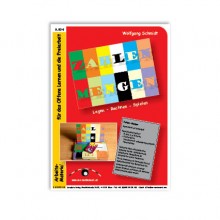
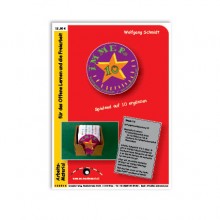
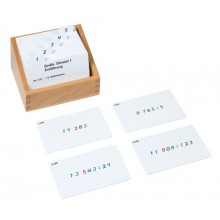
Brief description Material-independent computing file for the four basic arithmetic operations in the number range 1000 and above; 28 invoices per type of calculation; Invoices sorted by difficulty; Form for "inventing" your own invoices as a template;
manual Recommended school level (s): 3rd-5th School level
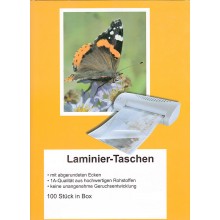
Manufacturing: Laminate all sheets (recommended film thickness: 90-125 microns).
Cut out the cards individually.
Pages not to be laminated: 1 template
Pages or cards bound in a booklet: none
Content / curriculum reference: The four basic types of calculation, practice and consolidation of the written calculation methods
Possible uses: Use in free work, in individual work or partner work
Preparations: To work with this material, the children also need:
A desk, stationery, paper
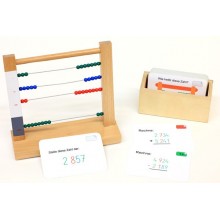
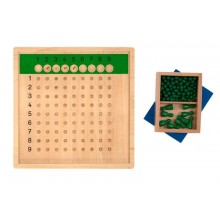
Depending on the type of calculation: calculation frame, large multiplication board, large division
How it works: Children who already know how to use the computing materials will find “food” for further computing. You can work through the calculations one after the other, or you can choose a certain level of difficulty. (The asterisks on the calculation cards indicate the number of overshoots and undershoots within the invoice.)
Self-control: The results of the calculations can be found on the back of the cards.
Experiences, tips, tips: The card index was especially adapted to work with computing materials.
Particular attention was paid to the levels of difficulty. (Number of violations).
The number of pearls to be placed, changed or exchanged was also taken into account. (This is especially true for invoices where the material is used for large division!)
The colors (red, green, yellow and blue) are typical of the colors used in Montessori education for the individual types of calculations. The same applies to the category colors of ones, tens, hundreds, thousands, ...
pages 58
leaves 30th
Age 7-11, 12-13
Brief description Material-independent computing file for the four basic arithmetic operations in the number range 1000 and above; 28 invoices per type of calculation; Invoices sorted by difficulty; Form for "inventing" your own invoices as a template;
manual Recommended school level (s): 3rd-5th School level
Manufacturing: Laminate all sheets (recommended film thickness: 90-125 microns).
Cut out the cards individually.
Pages not to be laminated: 1 template
Pages or cards bound in a booklet: none
Content / curriculum reference: The four basic types of calculation, practice and consolidation of the written calculation methods
Possible uses: Use in free work, in individual work or partner work
Preparations: To work with this material, the children also need:
A desk, stationery, paper
Depending on the type of calculation: calculation frame, large multiplication board, large division
How it works: Children who already know how to use the computing materials will find “food” for further computing. You can work through the calculations one after the other, or you can choose a certain level of difficulty. (The asterisks on the calculation cards indicate the number of overshoots and undershoots within the invoice.)
Self-control: The results of the calculations can be found on the back of the cards.
Experiences, tips, tips: The card index was especially adapted to work with computing materials.
Particular attention was paid to the levels of difficulty. (Number of violations).
The number of pearls to be placed, changed or exchanged was also taken into account. (This is especially true for invoices where the material is used for large division!)
The colors (red, green, yellow and blue) are typical of the colors used in Montessori education for the individual types of calculations. The same applies to the category colors of ones, tens, hundreds, thousands, ...