Detailed description: Detailed description:
ATTENTION!
On delivery our items are not laminated and not cut. The organizational aids such as boxes, card index boxes and the like that may be shown in the catalog are not included in the scope of delivery. We only used this accessory for demonstration purposes.
pages 16
leaves 16
Age 7-11, 12-13
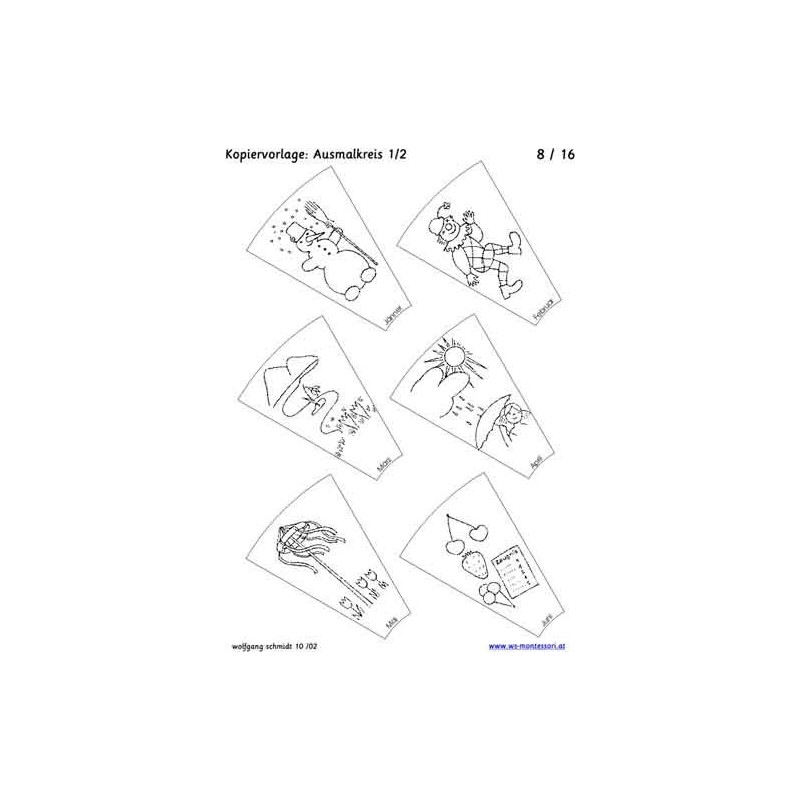
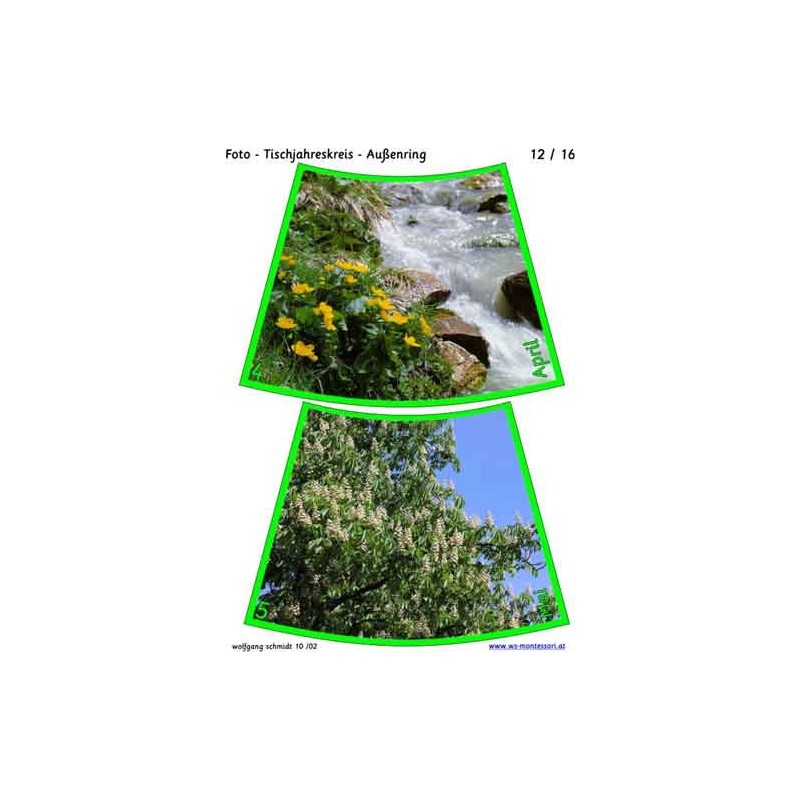
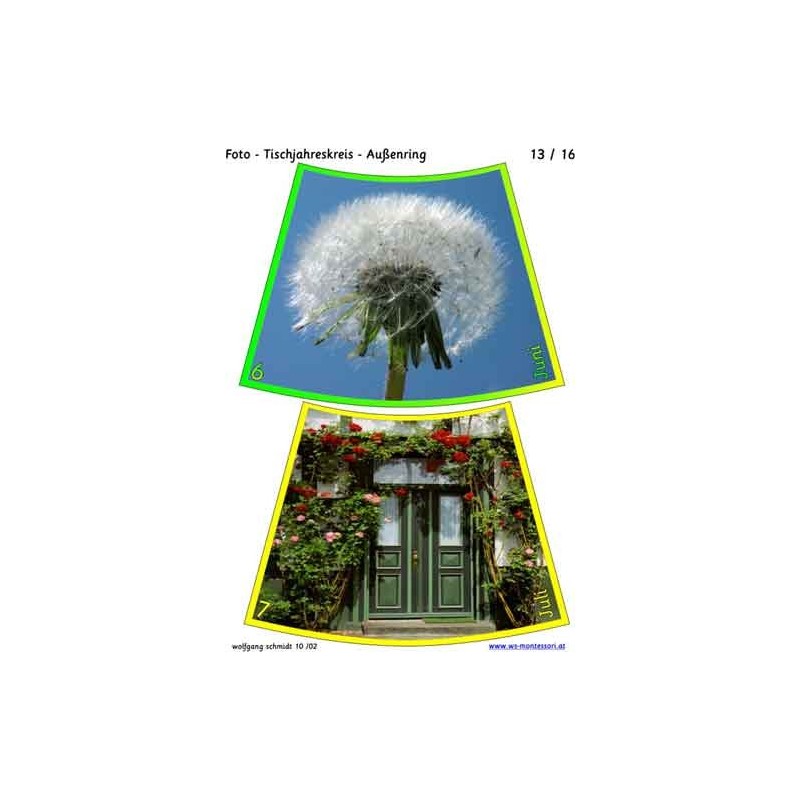
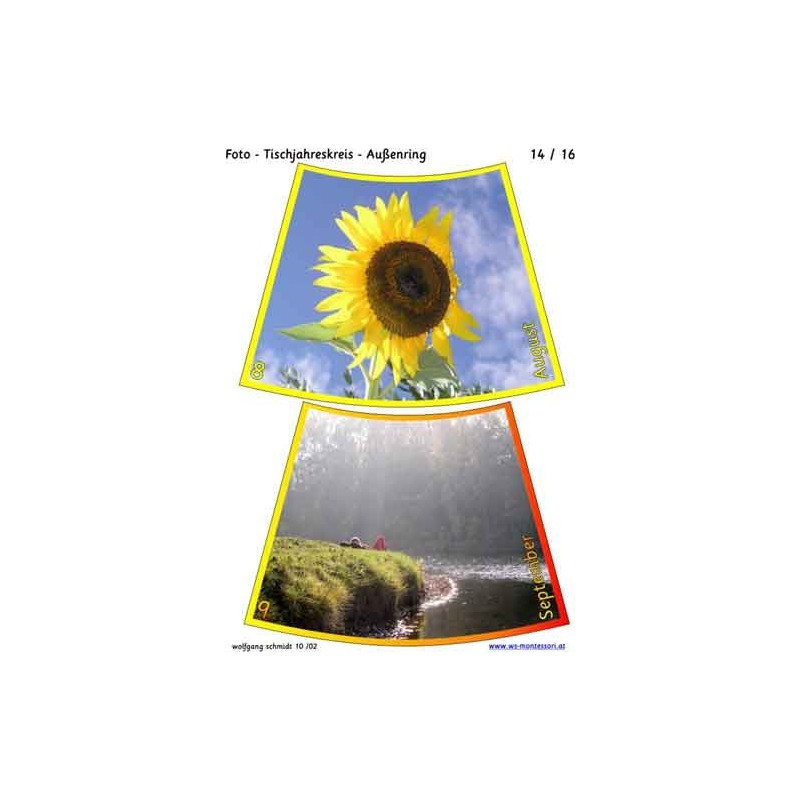
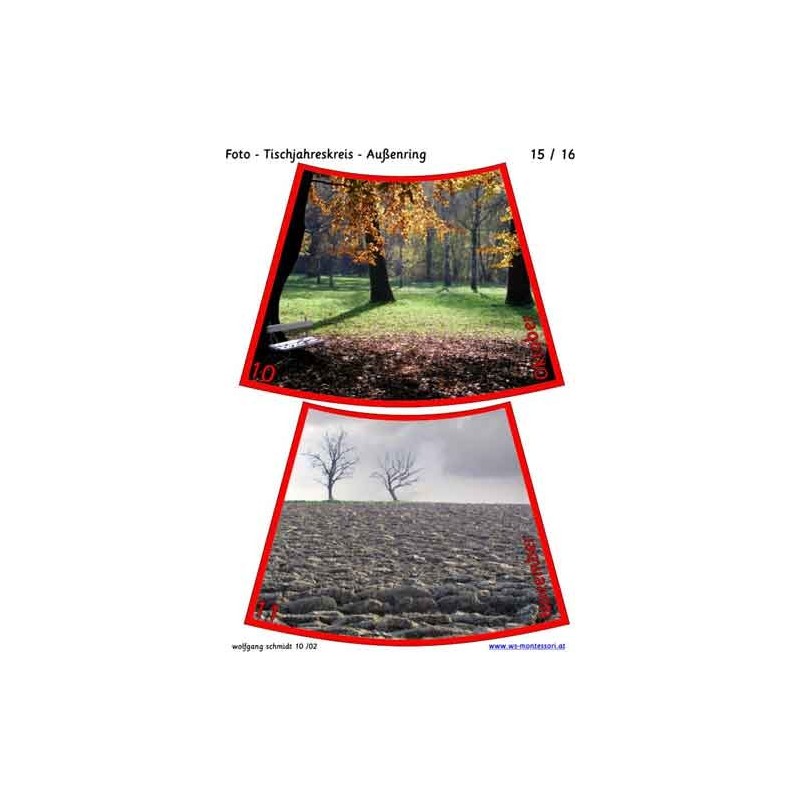
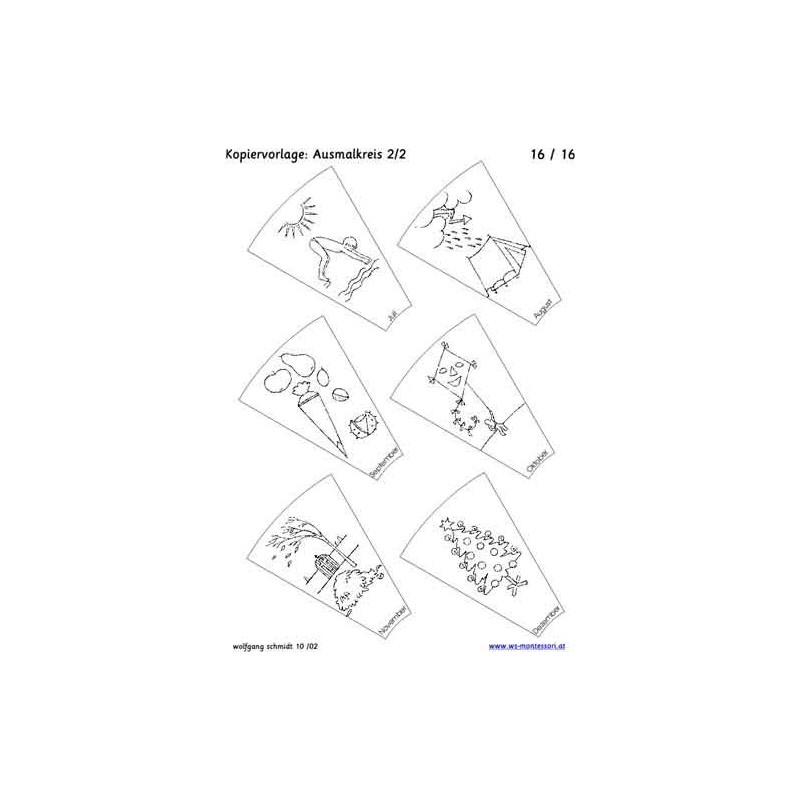
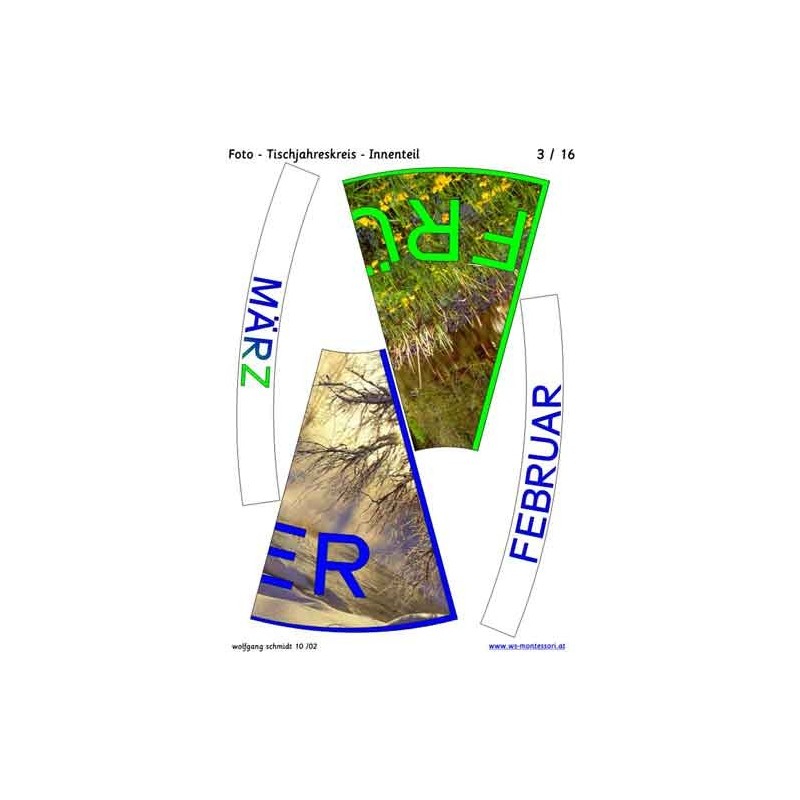
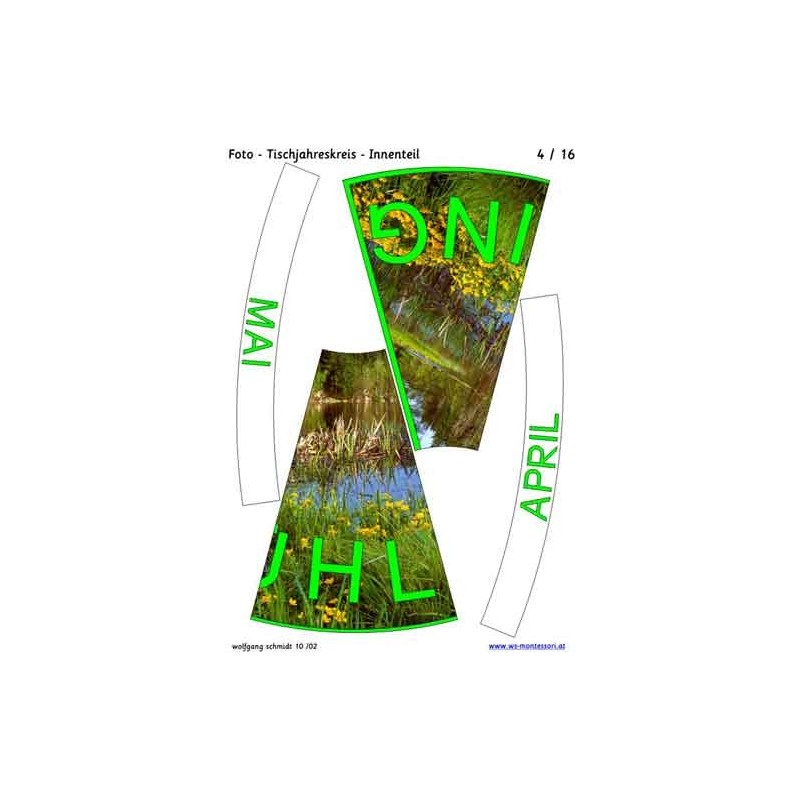
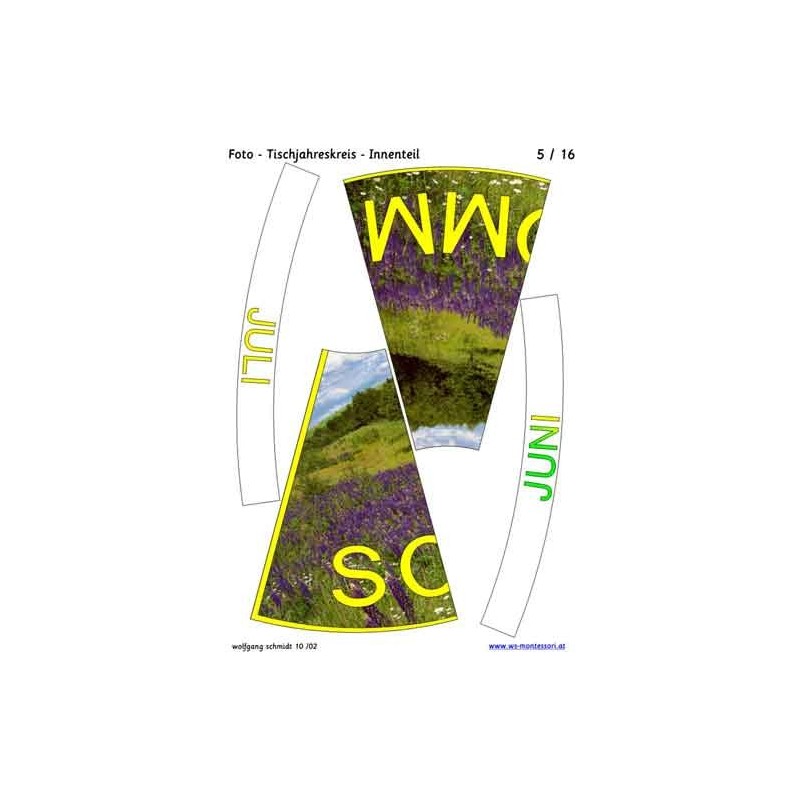
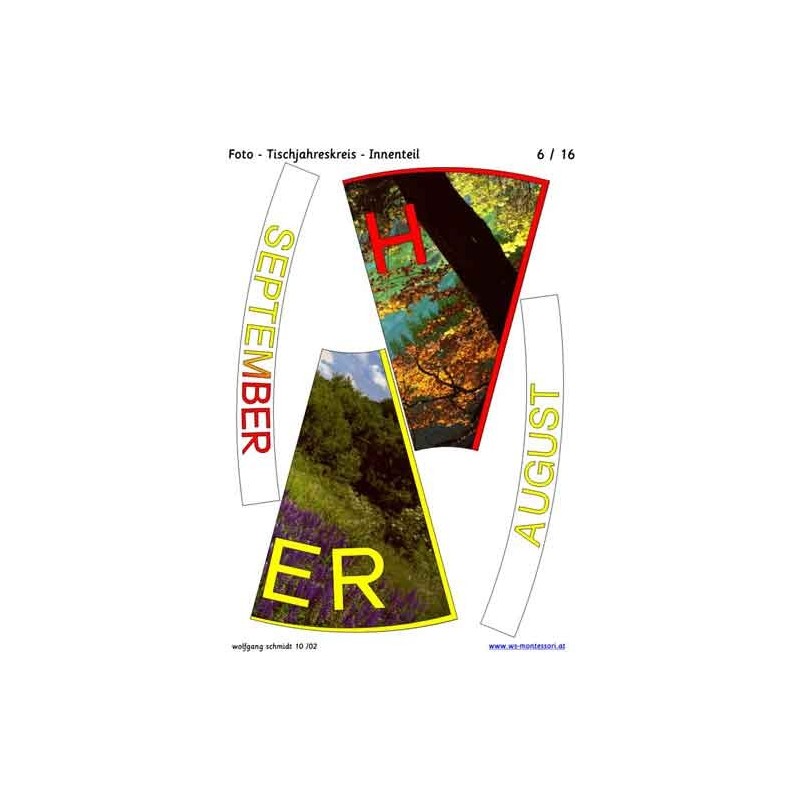
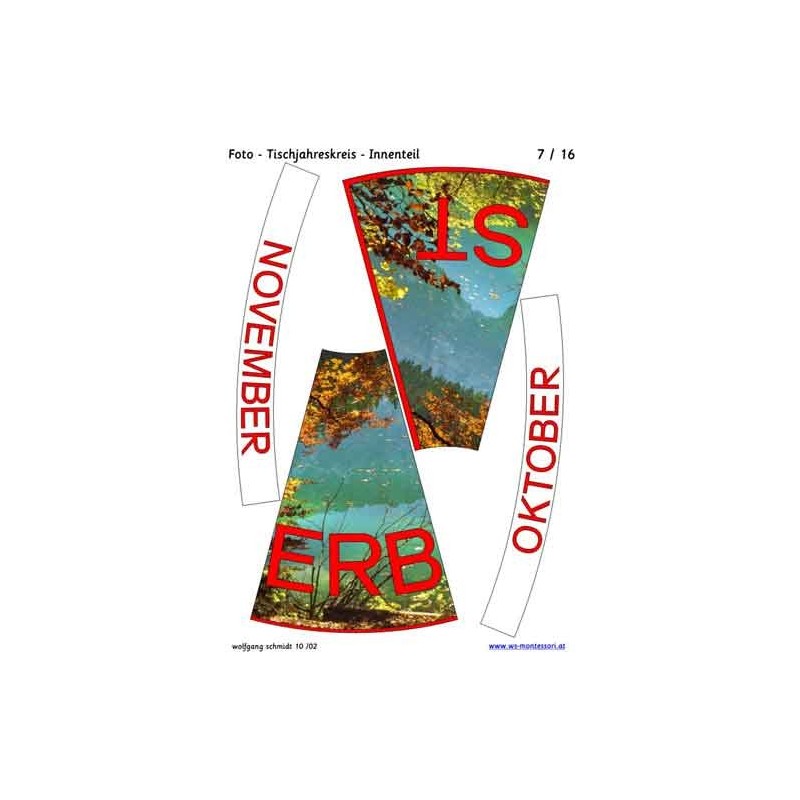
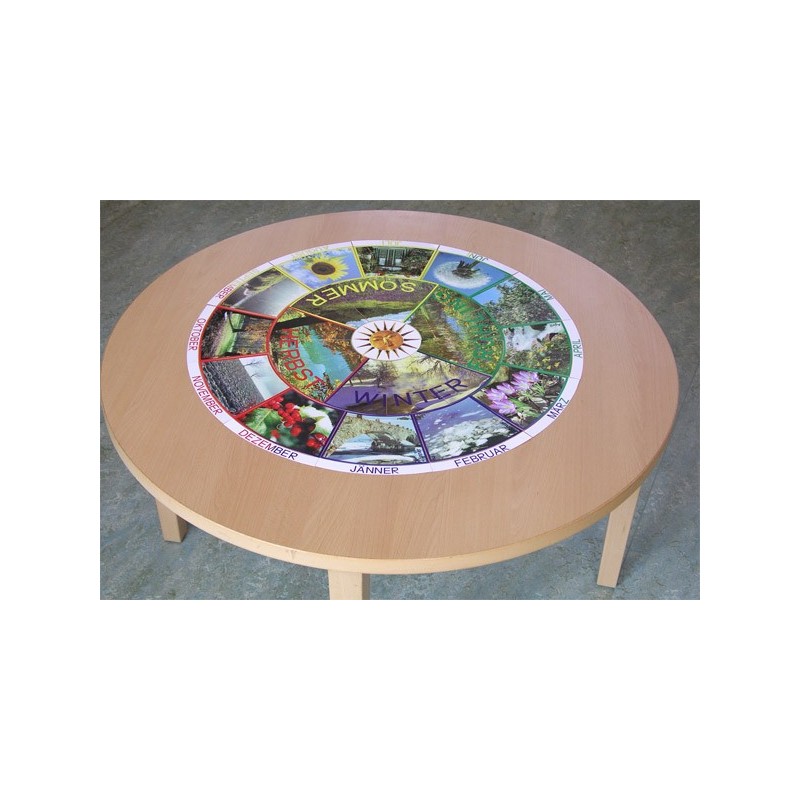
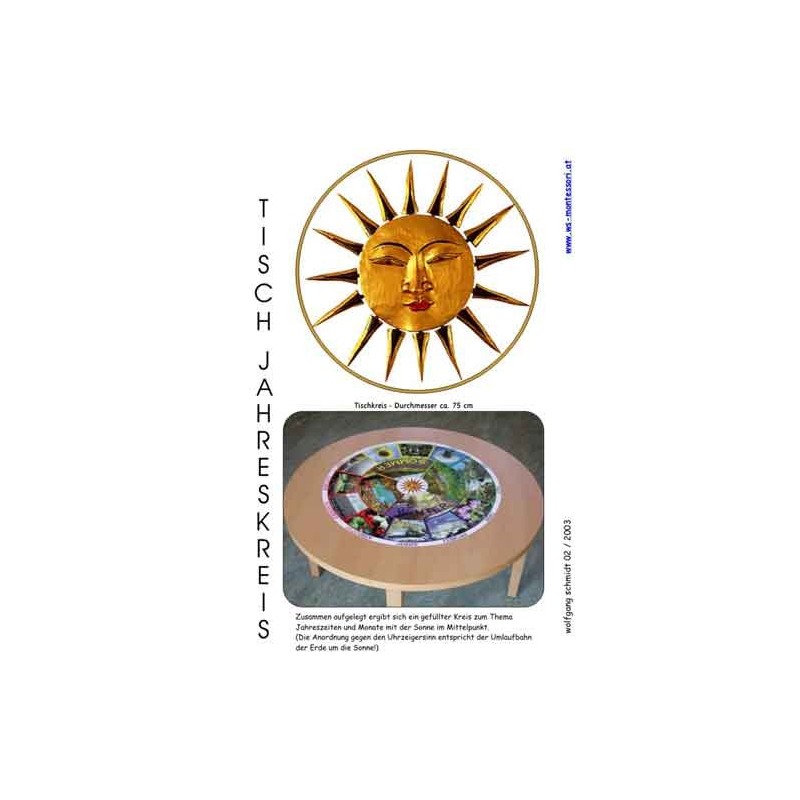
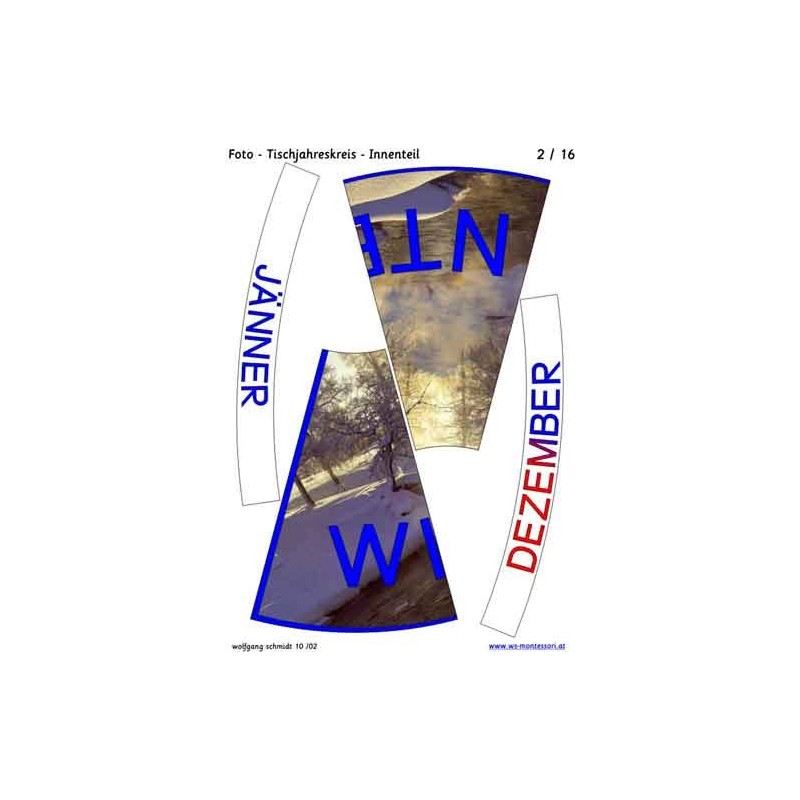
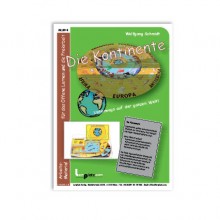
Brief description The months in the form of circle segments can be laid out as a circle on the table (carpet). The inner part of the circle shows the seasons. The center is a sun. Different events can be assigned to the seasons or months. - Also popular for breastfeeding exercises or birthdays. Illustrations and colors are identical to those of the soil annual cycle. However, this material is space-saving and can be offered as free-lance material. This version uses season-specific stylized drawings.
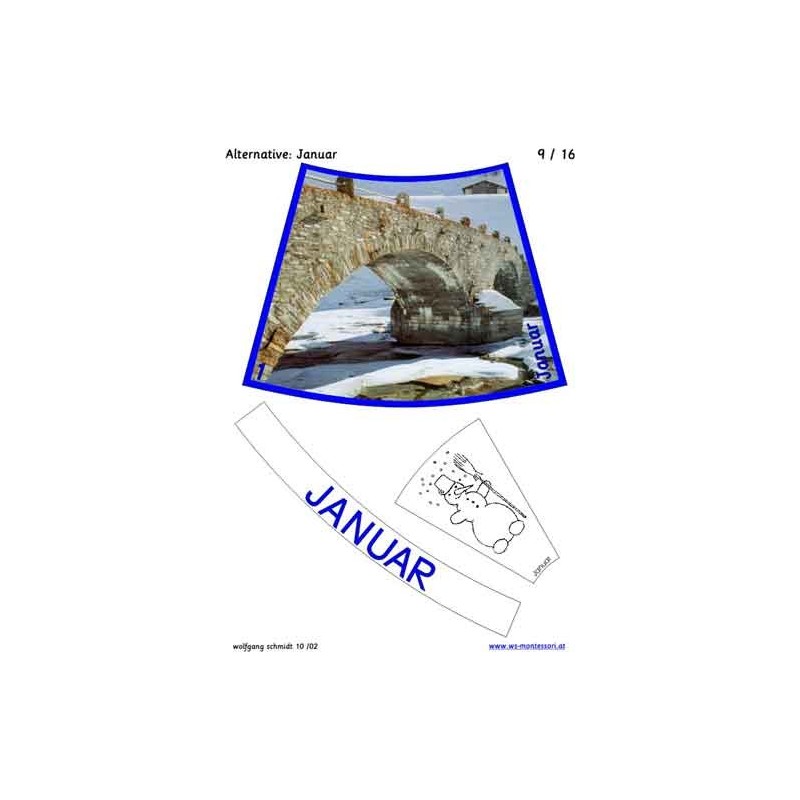
scope 37 laying cards, 2 templates, alternative cards: January / January
manual Recommended school level (s): 3-4. School level
Manufacturing: Laminate the sheets (recommended film thickness: 90-125 microns).
Cut out each card individually.
Pages not to be laminated: master copies
Pages or cards bound in a booklet: none
Content / curriculum reference: Seasons, names of months and seasons, celebrations and events
Possible uses: Individual, partner or small group work, in projects related to the year or when working on the topic of time (especially around the turn of the year)
Preparations: The annual cycle is the beginning of the didactic concept for circular time measurement and is derived directly from the work on the solar system. That is why it is laid out counterclockwise (in the northern hemisphere). (The earth moves counterclockwise around the sun!)
How it works: The children lay out the cards on a table or carpet.
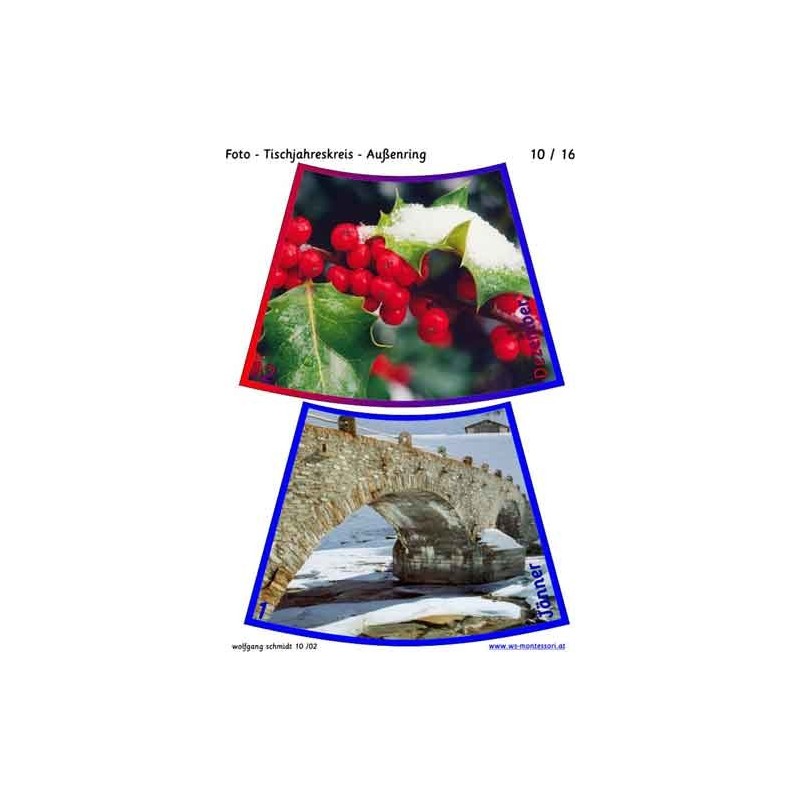
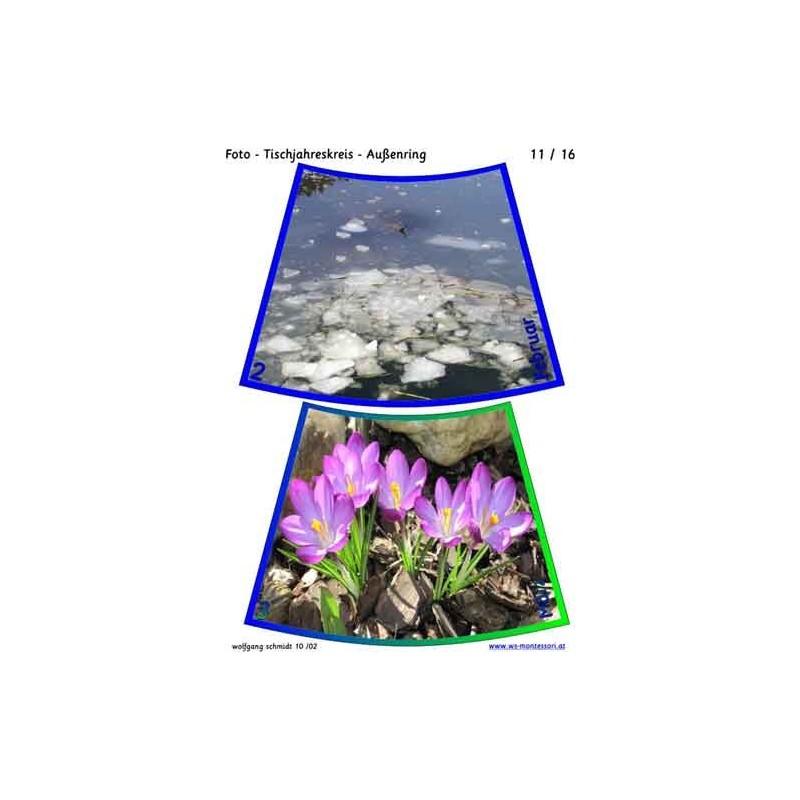
Self-control: A color code helps the children put on the annual cycle. A photo of the completed annual group can also be included as an aid.
Experiences, tips, tips: The diameter of the table rice is approx. 75 cm and can therefore be used more freely and space-saving than the floor circle (diameter: approx. 105 cm) for individual work by the children.
The table circle is intended as a laying material for the children. The ground circle, however, is more suitable for group work. If there is not enough space, the table circle can of course also be used for group work. (Tips and information for the floor circle then also largely apply to the table circle.)
pages 16
leaves 16
Age 7-11, 12-13
Brief description The months in the form of circle segments can be laid out as a circle on the table (carpet). The inner part of the circle shows the seasons. The center is a sun. Different events can be assigned to the seasons or months. - Also popular for breastfeeding exercises or birthdays. Illustrations and colors are identical to those of the soil annual cycle. However, this material is space-saving and can be offered as free-lance material. This version uses season-specific stylized drawings.
scope 37 laying cards, 2 templates, alternative cards: January / January
manual Recommended school level (s): 3-4. School level
Manufacturing: Laminate the sheets (recommended film thickness: 90-125 microns).
Cut out each card individually.
Pages not to be laminated: master copies
Pages or cards bound in a booklet: none
Content / curriculum reference: Seasons, names of months and seasons, celebrations and events
Possible uses: Individual, partner or small group work, in projects related to the year or when working on the topic of time (especially around the turn of the year)
Preparations: The annual cycle is the beginning of the didactic concept for circular time measurement and is derived directly from the work on the solar system. That is why it is laid out counterclockwise (in the northern hemisphere). (The earth moves counterclockwise around the sun!)
How it works: The children lay out the cards on a table or carpet.
Self-control: A color code helps the children put on the annual cycle. A photo of the completed annual group can also be included as an aid.
Experiences, tips, tips: The diameter of the table rice is approx. 75 cm and can therefore be used more freely and space-saving than the floor circle (diameter: approx. 105 cm) for individual work by the children.
The table circle is intended as a laying material for the children. The ground circle, however, is more suitable for group work. If there is not enough space, the table circle can of course also be used for group work. (Tips and information for the floor circle then also largely apply to the table circle.)