


Combination ring board with hundred field
Working in the hundred field
with STAGE RINGS - no shifting of the rings
EU production
EXCLUSIVE MANUFACTURING - utility model protection
Please note:
Montessori materials are NOT toys, but educational materials. Proper use requires appropriate training.
Montessori materials may contain small, rough, sharp, or other elements that could cause injury or damage if used improperly.
It may therefore only be used by children under the supervision of appropriately trained persons and in an appropriate environment.
Application area from grade 1 to grade 6
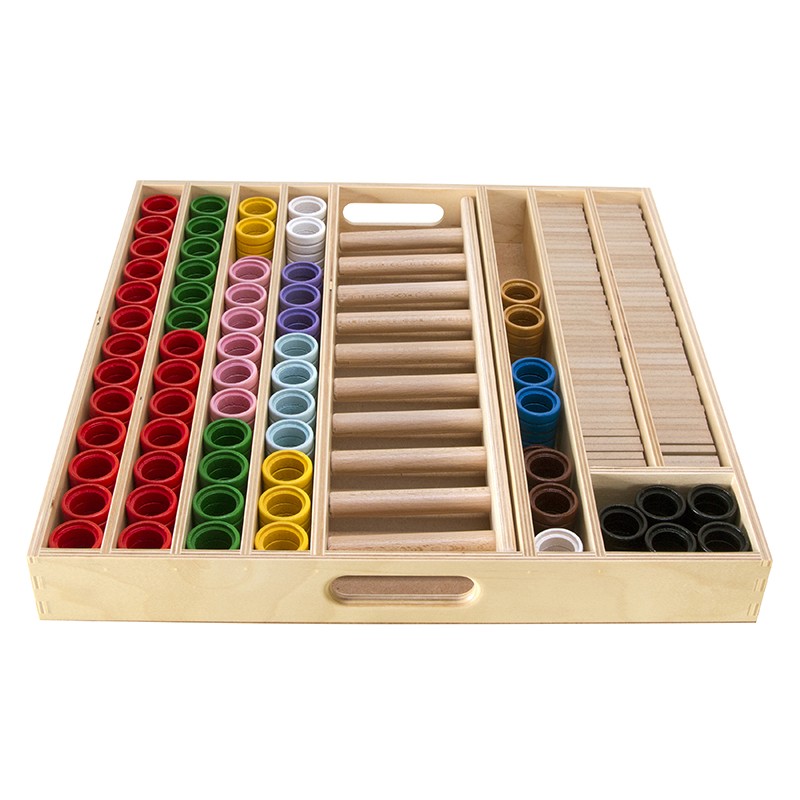
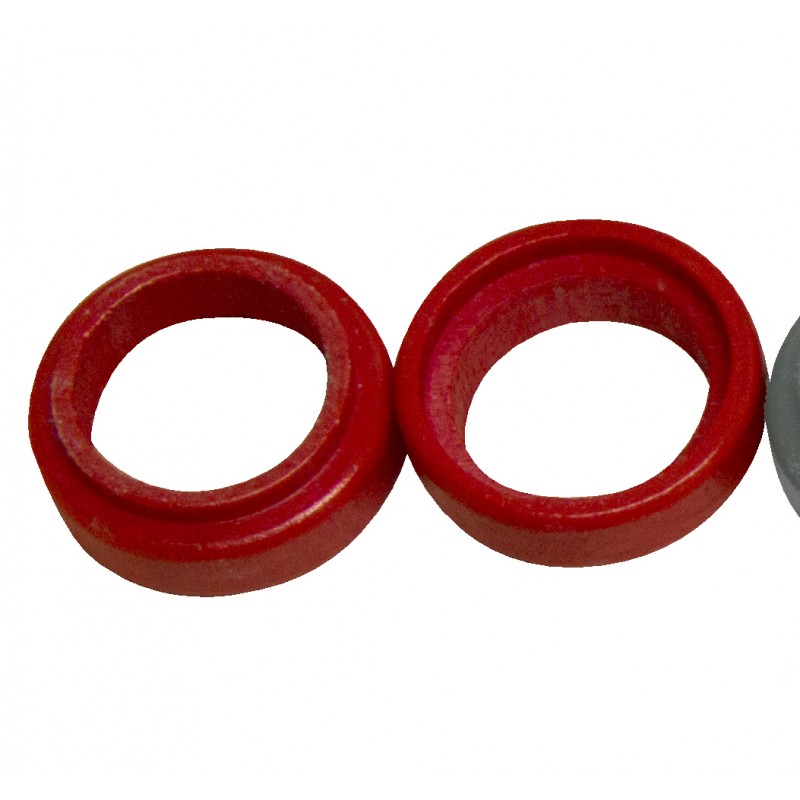
approx. 41 cm x 41 cm, ring diameter 3 cm NEW STEP RINGS - Rings remain stable when stacked
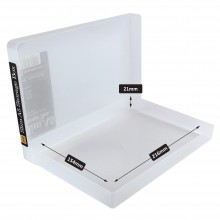
EVERYTHING COMPACT IN ONE BOX
Based on experiences and wishes with the ring board, practically expanded together with active educators.
All parts are manufactured in the EU, thus short and environmentally friendly transport routes, all paints comply with the toy standard EN71.
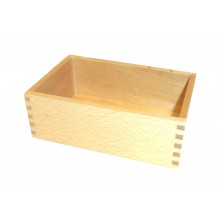
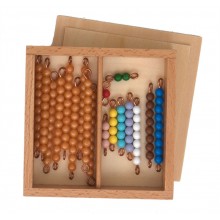
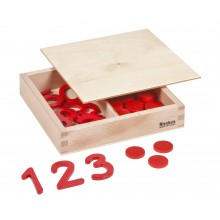
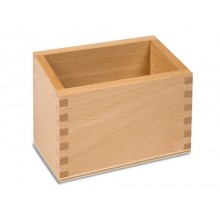
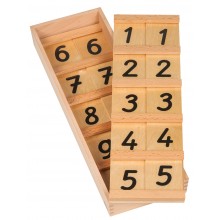
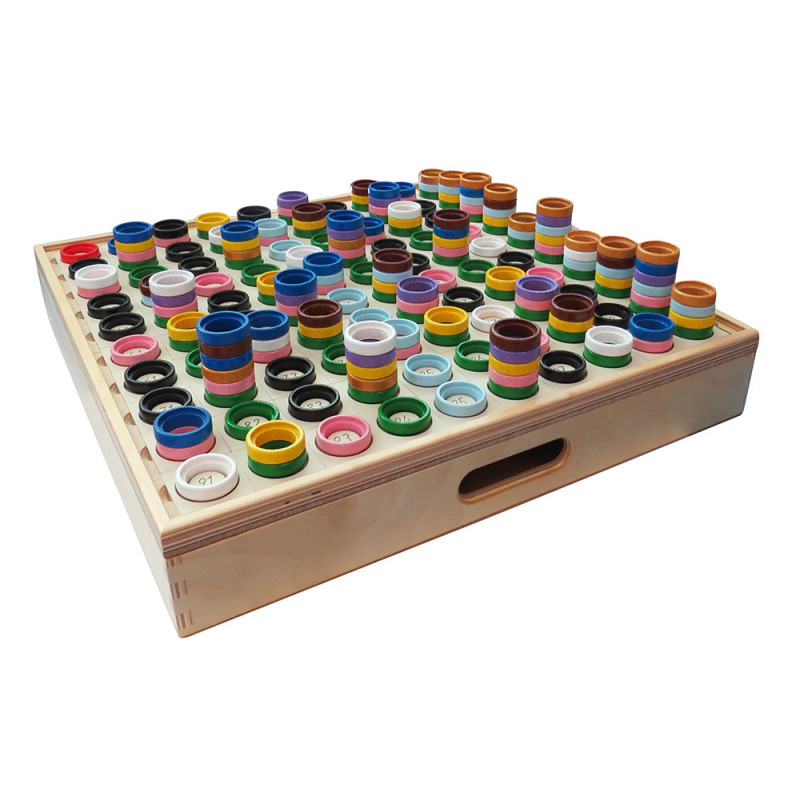
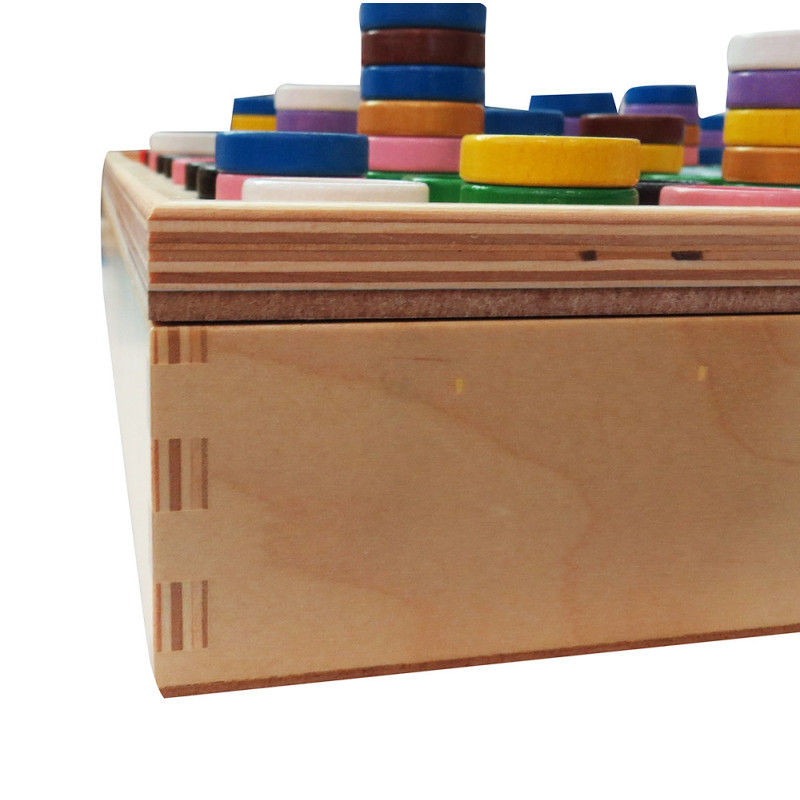
Material consists of a wooden box with compartments for rings, number discs, and ring stands.
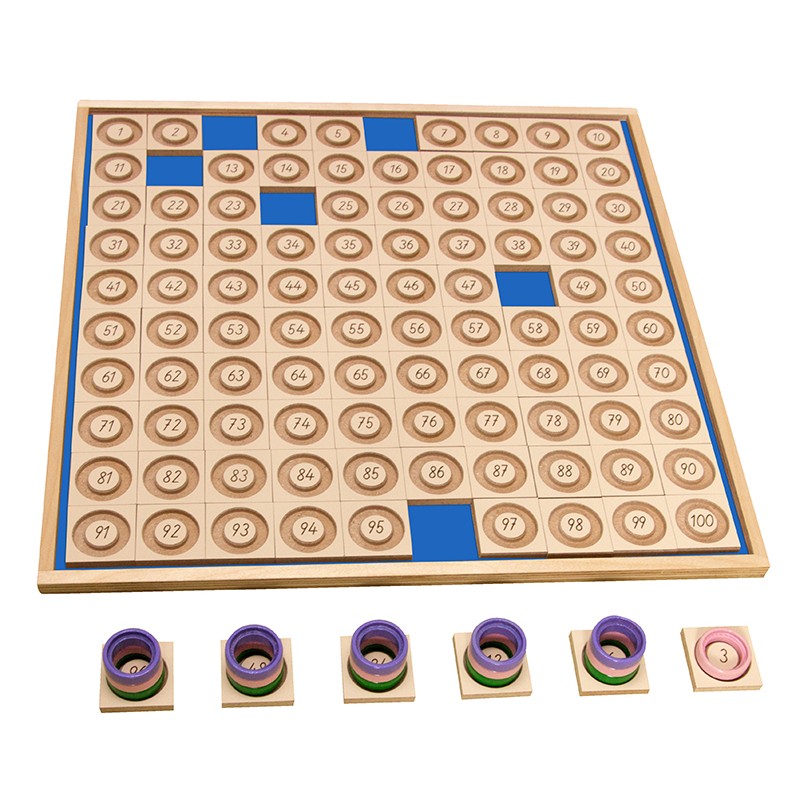
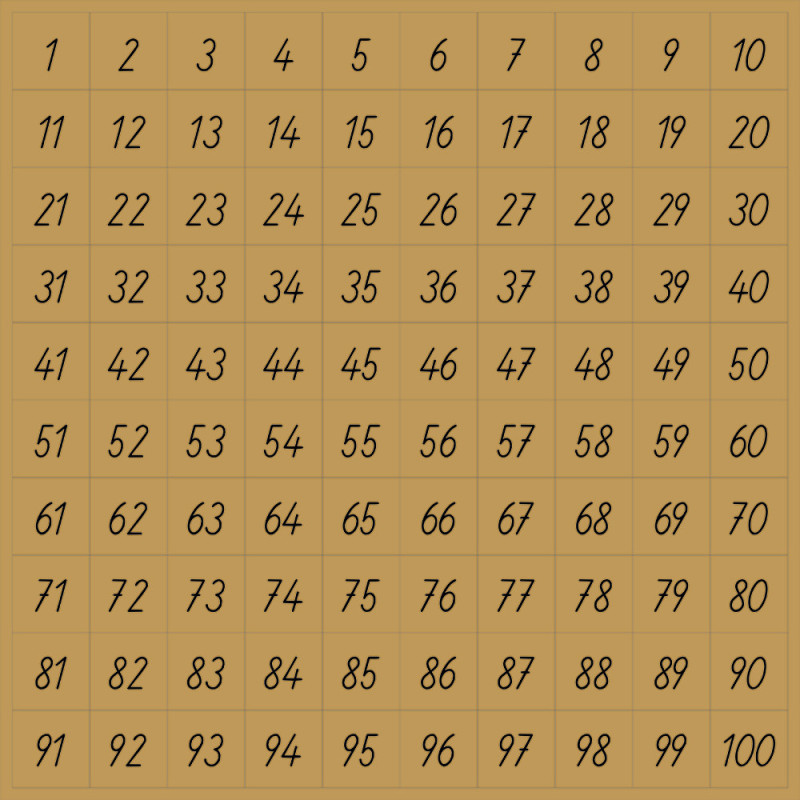
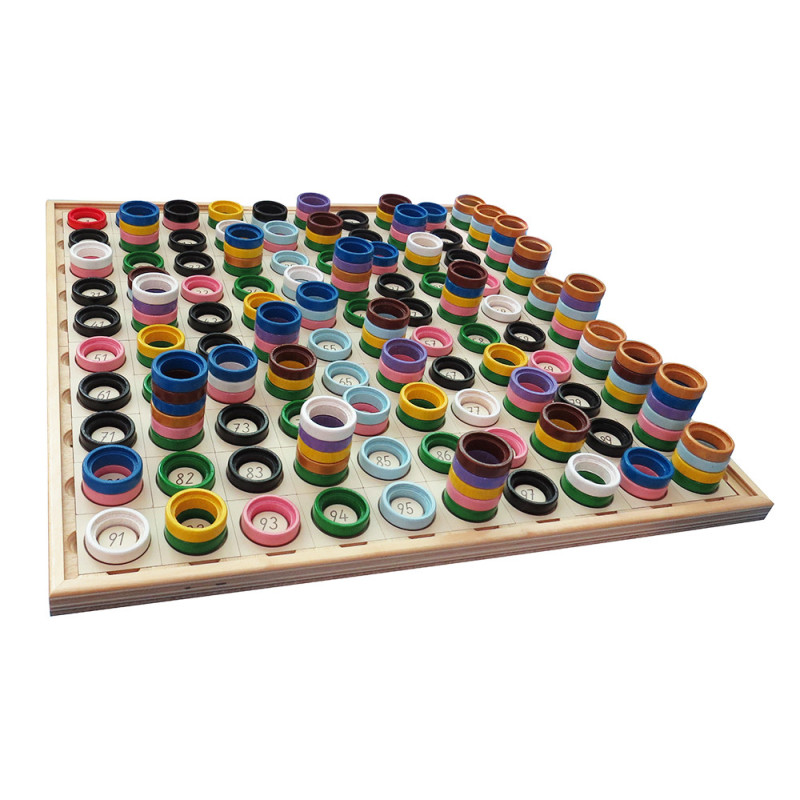
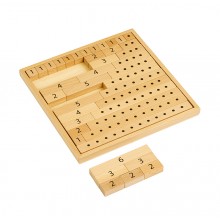
Board like a hundred board
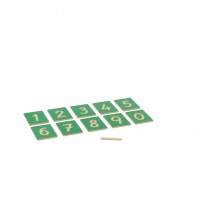
100 discs printed with the numbers from 1 - 100, with ring-shaped cutouts
matching step rings made of wood in the 10 Montessori colors for the numbers and black rings for the prime numbers.
100 red rings
50 green rings
33 pink rings
25 yellow rings
20 light blue rings
16 purple rings
14 white rings
13 brown rings
11 dark blue rings
10 gold rings
25 black rings
+ reserve rings base
Control panel
The material serves the complex development of the number range up to 100.
The cut-out recesses allow the rings to be placed and stacked precisely.
All work with the hundred board can be done with this material - the large number tiles allow for pleasant work.
additionally:
the printed number remains visible through the rings at all times. (in contrast to using chips)
This allows for a clear representation of the construction of numbers up to 100, laying out the multiplication tables up to 100, working on prime numbers (Sieve of Eratosthenes), finding the least common multiple, as well as working on the greatest common divisor (by multiple occupancy of a number with several number rings).
The number tiles can be removed individually, allowing for direct work on individual numbers.
Order suitable workbooks for the ring board from Lernplatz at the same time PART 1 and PART 2
Additions: 100 chips, replacement rings 10 pieces each
Further explanation and information about the ring board
The children learn to count and orient themselves on the hundred chart. Which number is where, predecessor and successor, the realization that all the same units are arranged vertically and all the same tens horizontally. In this phase of learning, the included red rings can also be used. Countless exercises to reinforce the number range are possible here.
Another work opportunity with the ring board is to work on the 1x1 tables. Since usually only up to 10x... is worked at the beginning, the ring stand is used here. The stand holds 10 rings per color, except for black, in ascending colors = number sequence from 1-10 is available. The control is done through the own pattern that each multiplication row shows.
Of course, the children are allowed to lay out according to the pattern. This is about automating the 1x1 tables.
Many children already go beyond 10x... here, because it is exciting to know how much, for example, 15x3 is and that it can also be calculated.
The next step is now to lay out the 'related' multiplication series, e.g., 3, 6, 9. Here it becomes clear why the board is called 'ring board' and not 1x1 board or something similar. Because now rings are placed on top of each other. For example, when laying out the multiplication series of 3, 6, and 9 on the number 18, there are three differently colored rings. By now, one should introduce the terms 'divisor' and 'multiple' - the board clearly shows what belongs together.
Prime numbers: If the child now lays out all multiplication series up to 100, following the Montessori colors, some fields will remain empty. This makes the prime numbers clearly visible. Now the ring board is also an exciting working tool for older students, where they can work out the divisibility rules and the prime numbers in the number range up to 100 with concrete materials, without paper and pencil. Control is also provided here by the already known structure of the multiplication series.
Prime factorization: Perhaps the most interesting detail of the ring board is that the board can be used for prime factorization and thus subsequently for determining the GCD and LCM. With the ring board, this is simple and clear. The child marks the empty board, for example, the number 18 with a red ring to avoid confusion. Now one starts with the smallest prime number 2, - 18:2=9 and places the green ring for prime factor 2 on the 9. Now the smallest possible prime number is 3. 9:3=3, a pink ring goes on the 3. The smallest possible prime number again is 3, 1 pink ring goes on 1. Now the laid out rings are collected, sorted, and the corresponding numbers are written down, in this case, 1 green and two pink rings, i.e.: 2x3x3=18, the prime factors are therefore 2, 3, 3. To determine the GCD and LCM of two or more numbers, the identified prime factors of the numbers only need to be combined and calculated accordingly.
Through the option of individual extraction of number tables, these numbers can now be directly worked out, the divisors are placed in the number and consequently, the numbers that can be derived from them can also be worked out.
Due to the diverse applications of the ring board, this material is suitable for children as a working material starting from the age of 3, and accompanies children up to the 6th grade and beyond. The rings are robust, easy to grip, and if any rings are lost, reordering is of course possible at any time; some replacement rings are already included in the delivery.
Combination ring board with hundred field
Working in the hundred field
with STAGE RINGS - no shifting of the rings
EU production
EXCLUSIVE MANUFACTURING - utility model protection